Home and Garden Journal
  • Home
  • Categories
    • Expert Insights
    • Outdoor Living
    • Home Maintenance
    • Home Decor
    • Home Renovation
    • Interior Design
    • Sustainable Living
    • Seasonal Ideas
November 10.2026
3 Minutes Read

The Homeowner's Guide to Choosing the Best Exterior Design Materials

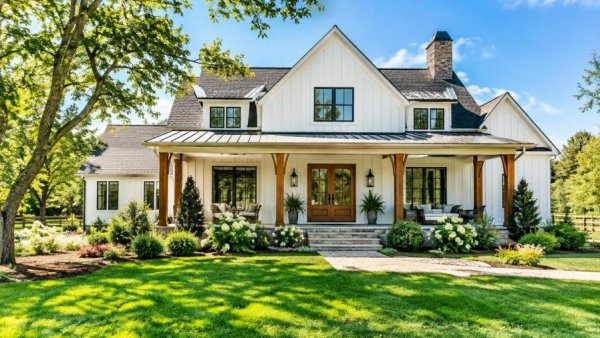
Modern farmhouse exterior design with lush greenery

Unlocking the Secrets of Exterior Home Materials

Designing the perfect home exterior goes beyond mere aesthetics; it’s a balance of functionality, ambience, and personal expression. Choosing the right exterior materials is essential to define your home's character while ensuring proper protection against the elements. As homeowners embark on this often-daunting journey, understanding the array of options available is crucial.

The Essentials of Exterior Materials

At its core, exterior home materials encompass all surfaces and finishes that protect and beautify your house. This category includes siding (fiber cement, vinyl, wood), brick, stone, stucco, and even roofing materials. Each choice plays a pivotal role—not only does it safeguard against weather, but it significantly enhances the overall curb appeal of your dwelling.

Bringing Cohesion with Color and Texture

While mixing materials can add depth, there are best practices to follow for a cohesive aesthetic. A well-planned palette matched with corresponding colors can elevate the look of your property. For instance, if you choose a warm red brick exterior, pairing it with earthy wood and deep gray accents often fosters a welcoming ambience rather than complexity. The interplay of colors and textures can transform your exterior into a harmonious facade.

Does Low Maintenance Mean No Maintenance?

Low-maintenance materials can feel the most appealing when faced with a busy lifestyle, but it’s important to clarify that “low-maintenance” does not mean zero upkeep. Materials like vinyl siding, for instance, require far less intervention than natural wood, but they’re not entirely maintenance-free. This reality should guide homeowners in their selections while weighing the upfront costs against long-term care.

Climate Considerations Matter

Homes designed in harsh climates must feature materials that can withstand local weather conditions. In humid areas, for example, rot-resistant materials like fiber cement might be preferable over wood. Conversely, homes in drier climates may leverage airy designs with stucco or stone for thermal efficiency. Understanding your local climate is critical in selecting the right exterior materials.

Mixing Styles Effectively

Combining different materials can be a conundrum, but rather than oversimplifying your options, think of it as an opportunity to express yourself. Consider a contemporary home that combines hardwood features with stone accents; this blend not only highlights the architectural diversity but emphasizes sophistication. Mixing materials requires a strategic vision—one that captures the essence of your design while preventing chaos.

Why Curb Appeal Is Crucial

The exterior of your home is the first thing people see, making curb appeal pivotal. It's not just about aesthetics; a beautiful exterior can significantly increase property value. Elements of good exterior design should complement the architectural style of your home and engage viewers’ senses. For instance, a home with carefully chosen siding, complemented by landscaping that connects organically to the exterior, provides a consummate look.

Deciding Materials Wisely: Your Actionable Checklist

When embarking on your exterior project, here’s a checklist to keep you grounded:

  • Evaluate your existing home features and define what works.
  • Consider local climate and weather patterns in your selections.
  • Mix textures but aim for a cohesive color palette.
  • Prioritize low-maintenance options while being aware of upkeep.
  • Seek professional advice if overwhelmed—designers can provide invaluable insights.

Conclusion: Take the Next Step in Improving Your Home

Choosing exterior materials is a significant decision that greatly impacts not just your home's appearance but its longevity and adaptation to environmental challenges. With a clearer understanding of materials, their functions, and potential combinations, you’re better equipped to make informed choices that boost your home's aesthetic while ensuring a smooth living experience. Start planning your exterior material palette today; the results can transform not only your house but also your lifestyle, enhancing both curb appeal and comfort.
Expert Insights

0 Views

Write A Comment

*
*
Please complete the captcha to submit your comment.
Related Posts All Posts
11.02.2026

Unlock Your Home's Potential: The Best Guide to Choosing Exterior Paint Colors

Update The Transformative Power of Painting Your Home's Exterior Have you ever noticed how a fresh coat of paint can transform a home? Painting your home's exterior not only enhances its appearance but can also significantly influence its overall aura. From a dated brick façade revitalized with contemporary hues to simple siding that bursts with personality, the right color selection can highlight features you may have previously overlooked. However, choosing the wrong shade can lead to disappointment; a perfect white can appear yellow under sunlight, or a beloved gray can morph into an unexpected lavender. Understanding the Essence of Exterior Paint Why does exterior paint matter so much? The exterior paint color influences how all other elements of your home are perceived, from the stonework to the landscaping. For instance, the same stone can evoke warmth next to one palette and coldness next to another. Even contrasting colors can create a dramatic effect, such as sleek black windows that pop against soft neutrals or vanish against deep hues. In essence, paint is a powerful medium in exterior design that can transform your home’s character without the need for major renovations. Color Selection: The Fixed Elements Matter When it comes to selecting an exterior paint color, it’s crucial to consider the permanent features of your property, known as "fixed elements." These fixed elements include: Roof Type and Color Brick or Stone Accents Window Frames Walkways and Driveways Wood Features like Porches and Doors Existing Landscaping Nearby Structures Start by identifying what won't change. For example, if your roof is a warm reddish-brown, this undertone can influence which siding colors feel harmonious. Designers recommend treating fixed elements as integral parts of your color palette, so you don't inadvertently select a color that clashes. Decoding Paint Undertones: The Secret to a Cohesive Look Understanding paint undertones is essential. What may seem like a straightforward color on a paint chip can reveal complex undertones when applied to your home. For instance, a gray might lean toward blue, purple, or green depending on the light. This variation is amplified outdoors due to the mix of natural light and surrounding colors. Evaluating paint colors should go beyond choosing a stand-alone shade; it’s about how these colors relate to everything else in your yard. Context Matters: Assessing Surrounding Colors Consider how your paint color interacts with surrounding elements. The vibrant greens of your landscaping, the warmth of your stone façade, and even the blue sky can shift how paint colors appear. Ideally, the chosen paint complements these features rather than competes with them. A well-thought-out color choice can bring unity and appeal to your home, enhancing curb appeal and inviting admiration from neighbors. Putting It All Together: Practical Tips for Homeowners Here are a few practical tips to make the painting process successful: **Start with What’s Permanent**: List fixed elements first. This sets a foundation for your color palette. **Study Undertones**: Examine how daylight reveals the undertones of potential paint colors. **Consider Seasonal Changes**: Paint colors can look different in changing weather and natural light—test colors for a full day from various angles before deciding. **Create a Cohesive Palette**: Aim for harmony between your paint and your landscaping; skip colors that fight the natural beauty of your yard. Ultimately, your home’s exterior deserves a design that embraces its unique characteristics while appealing to your personal tastes. By thoughtfully considering your paint color choices, you'll not only improve your home but also elevate its entire aesthetic. Ready to Refresh Your Home's Exterior? Now is the perfect time to amp up your home's curb appeal and personal style! Whether you're contemplating a simple refresh or a full exterior makeover, explore exciting options and resources on how to select the right outdoor paints for your home. Embrace a color journey that resonates with your personality, and watch your home transform! A fresh coat of paint opens up endless possibilities for beautifying your space.

10.22.2026

Unlocking Landscape Design: Enhance Your Curb Appeal Today!

Update Transforming Your Yard: A Comprehensive Landscaping GuideLandscaping is more than a chore; it's an art form that brings beauty, functionality, and cohesiveness to your home. A well-executed landscape design does not just beautify your property but enhances curb appeal and creates inviting outdoor spaces. This guide will provide homeowners with a roadmap to creating a landscape that complements their home’s architecture while reflecting their personal taste.What Is Landscaping?Landscaping encompasses both living and non-living elements that improve the functionality and aesthetic appeal of outdoor spaces. It includes a variety of components such as trees, shrubs, flowers, lawns, paths, patios, and even outdoor kitchens. The essence of landscaping lies in creating a seamless connection between softscape (living plants) and hardscape (structures like patios and walkways). Achieving the perfect balance is critical for realigning the outdoor environment with the home.Creating a Cohesive Look between Hardscaping and HomeUnderstanding the relationship between hardscaping materials and your home’s exterior is vital. For instance, a traditional brick house pairs beautifully with brick or complementary pavers, while a modern space might look stunning with sleek, geometric pavers. It’s crucial to select materials that mesh well with your home’s architecture to create a more integrated and harmonious environment. This principle ensures that pathways, patios, and other hardscape features enhance the overall design rather than distract from it.Steps to Professional Quality LandscapingCreating a professionally designed landscape involves several deliberate steps:Start with Your Home: First and foremost, assess your house's architecture. Consider its front entrance, any eye-catching features, and whether any structures like windows are obscured. Understanding the essence of your existing home will guide your landscaping decisions.Evaluate Existing Features: Identify landscaping elements you love, such as healthy shrubs or stately trees. These should be integrated into your new design rather than removed unnecessarily.Define Your Style: Are you drawn to contemporary minimalism, rustic charm, or perhaps Mediterranean warmth? Your landscape should reflect this preference while still embracing the features of your home.By following these steps, you can create an outdoor space that looks both intentional and beautiful.Long-Term Trends in Landscape DesignIn recent years, there’s been a noticeable shift toward sustainable landscaping practices that prioritize environmental health while enhancing beauty. Homeowners are increasingly opting for native plants that require less water and maintenance, promoting biodiversity and reducing the need for chemical fertilizers. Furthermore, many are incorporating hardscaping elements made from recycled materials, which not only look great but contribute to eco-friendly goals. As these trends continue to gain traction, staying informed can help ensure your landscape remains stylish and environmentally-conscious.The Emotional Impact of Thoughtful Landscape DesignA well-planned landscape not only increases your property's value but also significantly enhances your quality of life. Imagine walking out into your garden every morning, surrounded by carefully chosen plants, vibrant colors, and a peaceful atmosphere. A thoughtfully designed landscape can promote relaxation, increase your connection with nature, and create beautiful outdoor spaces for family gatherings. Ultimately, this investment in your yard can positively influence your mood and overall well-being.Take the Next Steps Towards Landscape SuccessAs you embark on your landscaping journey, remember that the key to success is planning. Whether you’re upgrading your yard for personal enjoyment or improving your home’s marketability, having a clear vision is crucial. From selecting outdoor paints that complement your home to choosing plants that thrive in your local climate, informed decisions will lead to a beautiful and lasting landscape. ConclusionLandscaping is a deeply rewarding endeavor that merges beauty with function, elevating your home's allure and enhancing your outdoor lifestyle. By paying careful attention to the interplay between your home and landscape, you can craft an inviting environment that expresses your unique style and promotes well-being. Let your yard be an extension of your home, a testament to your taste, and a sanctuary for relaxation. Ready to start your journey towards a stunning landscape? Begin planning today!

10.01.2026

Transform Your Home: Understanding House Styles for a Stunning Exterior

Update Exploring the Intricacies of House Styles When it comes to house styles, the options are seemingly endless. From Colonial to Craftsman to Mediterranean, there’s a diverse range of architectural expressions that not only showcase history but also influence current trends in home design. Understanding your home's architectural style becomes essential in making informed decisions about everything from paint color to landscaping. But here’s the key insight: your home’s style should serve as a guide rather than a rigid rulebook. Recognizing Your Home's Unique Style Here at brick&batten, professionalism shines with over 15,000 exterior designs under our belt. Many homes don’t neatly fit into a single style category. Some have evolved over time, boasting renovations that blend different architectural styles. Others may be distinctive enough that they warrant some modern touches while keeping their historical essence alive. Our goal, as designers, is to help homeowners identify what aspects work well together and how to enhance their home's curb appeal. The Most Common House Styles in the U.S. The architectural styles found across America are as varied as the landscapes they inhabit. The following are some of the most common: Colonial Ranch Tudor Victorian Craftsman Contemporary Modern Farmhouse Spanish Coastal Understanding these styles is important, especially since preferences for house styles vary widely across different regions of the U.S. The interest in a home’s exterior can not only reflect personal taste but also a deeper connection to regional aesthetics. For instance, findings from a survey conducted in conjunction with HomeAdvisor show pronounced preferences—Cottage ranked highest overall, closely followed by Contemporary and Mediterranean. How to Identify Your House Style To accurately identify your house style, our designers employ a systematic approach that includes assessing the overall shape, roofline, and architectural details. Here are some crucial factors to examine: Roofline: Is it flat, gabled, or steeply pitched? Overall Shape: Is your house tall and narrow, or low and sprawling? Windows: Do they consist of large glass panels, or are there small divided panes? Entryway: Is the entry centered or recessed? Materials: What is your home made of—brick, wood, or stone? Architectural Details: Does your home have exposed rafters, columns, or intricate detailing? Focusing on these features helps establish a clearer picture of your home’s identity. Finding Beauty in Trends and Traditions The world of home design is always shifting, as shown by the blending of styles. In recent years, trends have emerged that seek to marry traditional and modern elements, making it essential for homeowners to understand both their personal aesthetic and their home’s architectural roots. Instead of adhering strictly to online inspirations that may not fit comfortably within your home's unique narrative, consider: What does your house inherently want to be? How can you express your personal style while staying true to its architectural language? This approach fosters a genuine connection to the home, ensuring the design feels authentic and harmonious. Making Thoughtful Exterior Choices When reimagining the exterior, it’s essential to keep in mind a few golden rules: Start from the architecture: Ensure your design honors the foundational elements of your home's style. Prioritize curb appeal: Enhance your home’s façade with appropriate paint colors and materials. Choose landscaping wisely: The right plants and design elements can elevate your yard and even create functional outdoor spaces. Engaging with your house's architecture allows you to select outdoor paints and design your yard in a way that reflects both beauty and functionality. Actionable Insights for Homeowners By understanding your house style and the various styles available, homeowners can make informed decisions that not only enhance visual appeal but also improve property value. Implementing minor updates to your home’s exterior, such as rethinking your landscaping or simply selecting the right colors, can create a significant impact. Start small, think big, and do not hesitate to consult professional designers if you're feeling overwhelmed. Creating a beautiful house that speaks to your personality and respects its architectural roots is certainly achievable! As you contemplate your home’s exterior transformation, remember that every little choice—whether upgrading your yard, improving your home’s curb appeal, or selecting outdoor paints—contributes to your overall living experience. Let your home tell your story while blending in with the stories of the styles it embodies.

Home and Garden Journal

Ideas, products, and services to improve and beautify your home and yard.

Reach Strategic: Home and Garden

Connecting homeowners
with top-quality home products and local home services providers. 

  • Privacy Policy
  • Terms of Use
  • Advertise
  • Contact Us
  • Menu 5
  • Menu 6

360-713-8092

AVAILABLE FROM 9AM - 5PM

City, State

Vancouver, Washington

ABOUT US

Write a small description of your business and the core features and benefits of your products.

© 2026 CompanyName All Rights Reserved. Address . Contact Us . Terms of Service . Privacy Policy

Terms of Service

Privacy Policy

Core Modal Title

Sorry, no results found

You Might Find These Articles Interesting

T
Please Check Your Email
We Will Be Following Up Shortly
*
*
*